Veneers

Custom porcelain shells that transform your smile by correcting chips, gaps, and discoloration in just two visits.
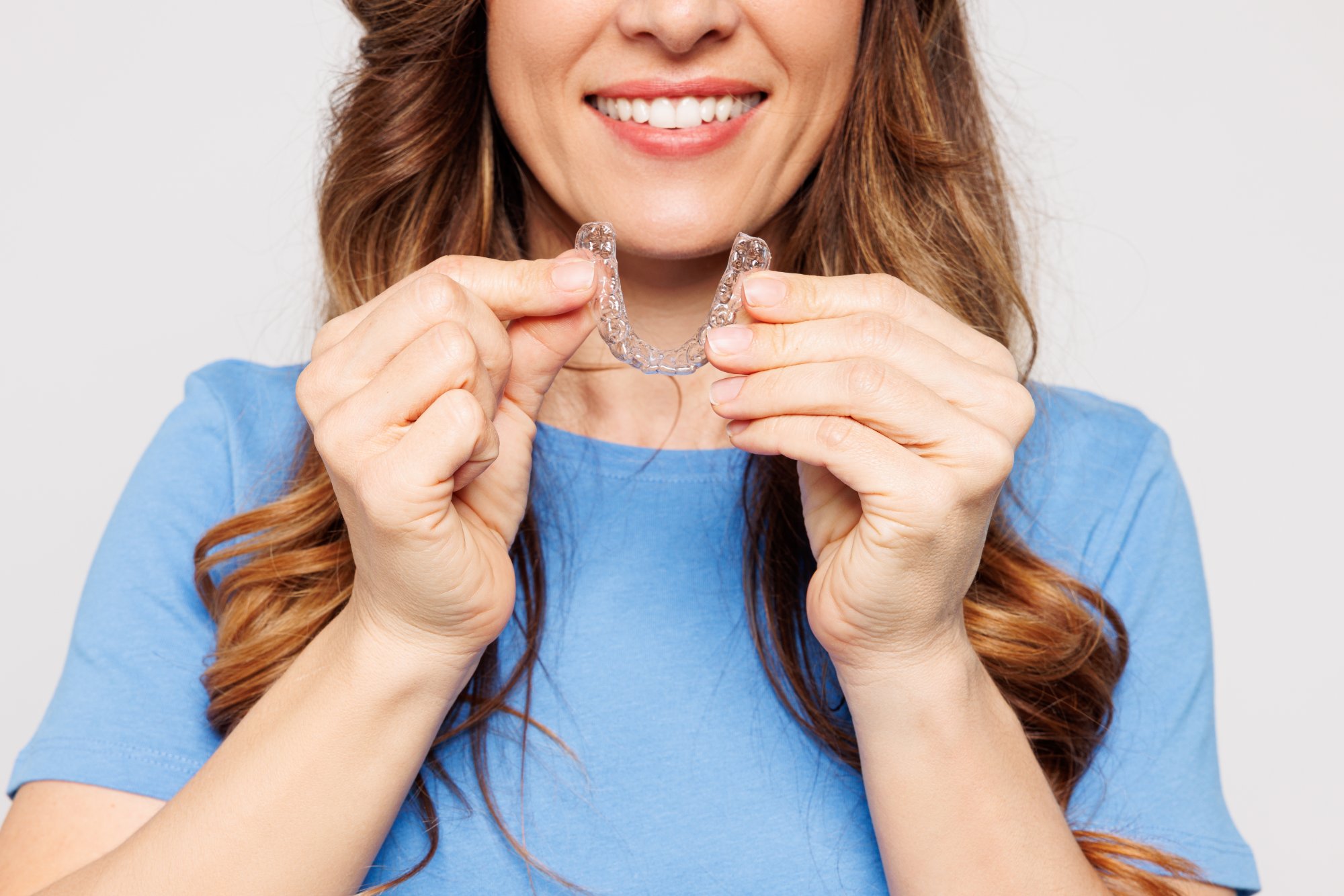
Veneers are thin, custom-crafted shells of porcelain or composite resin that bond to the front surfaces of teeth to dramatically improve their appearance. At Austin Longevity , veneers are used to address a wide range of cosmetic concerns including discoloration that doesn't respond to whitening, chips and cracks, gaps between teeth, slightly misaligned teeth, and worn or uneven tooth edges. Each veneer is designed to blend seamlessly with your surrounding teeth or, in the case of a full smile makeover, to create an entirely new smile aesthetic. Porcelain veneers are the most popular option and offer the most natural-looking results. Porcelain has a translucent quality similar to natural tooth enamel, which means it catches light the same way real teeth do. Porcelain is also highly stain-resistant, durable, and long-lasting when properly cared for. Composite veneers are an alternative made from tooth-colored resin applied directly to the tooth, which can be a faster and more affordable option for certain cases. Getting veneers typically takes two to three visits. The first appointment includes a consultation to discuss your goals, photographs and impressions or scans, and minimal preparation of the tooth surface to make room for the veneer. Custom veneers are then fabricated in a dental lab over the next one to two weeks. At your final appointment, the veneers are bonded permanently to your teeth, and you walk out with a transformed smile. Veneers are considered a long-term cosmetic restoration and, with proper care, can last ten to fifteen years or longer.

Cosmetic dentistry is as much an art as a science. At Austin Longevity , we take time to understand exactly what you want your smile to look and feel like before any treatment begins. We use digital imaging to show you a preview of your potential results, which lets us collaborate with you on shape, color, and proportion before any tooth preparation is done. We work with experienced ceramists who handcraft veneers to match your facial features, skin tone, and the character of your existing teeth. The result is a smile that looks naturally yours, not artificial or one-size-fits-all. We also focus on conservative preparation techniques that preserve as much of your natural tooth structure as possible, because the goal of cosmetic dentistry should always be to enhance your natural smile, not replace it.

How it works

A clear path from consultation to confident result.

Every patient’s journey looks a little different, but the road map is the same: thoughtful planning, careful preparation, precise treatment, and lasting protection.

Plan

We discuss your goals, take photographs and digital scans, and use cosmetic imaging to design veneers that complement your face shape, smile, and personality.

Prepare

A small amount of enamel is gently removed from the front of each tooth to create space for the veneer, ensuring a natural fit and feel.

Place

Custom veneers are crafted in a lab and bonded permanently to your teeth at the final appointment, creating an immediate transformation.

Protect

Routine cleanings, good home care, and avoiding habits like nail-biting or chewing on hard objects help your veneers last for many years.

Frequently asked

Questions we hear most often.

Still wondering whether this is the right path for you? Schedule a consultation and we’ll talk through your specific goals.

How long do veneers last?
Porcelain veneers typically last 10 to 15 years with proper care, and many patients enjoy them for 20 years or more. Composite veneers have a shorter lifespan, generally 5 to 7 years, and may need to be polished or replaced more frequently. Longevity depends on oral hygiene, diet, and habits like grinding or biting hard objects, all of which we address during your consultation.
How much do veneers cost?
Porcelain veneers typically cost between $1,000 and $2,500 per tooth, depending on the materials used, the complexity of the case, and your location. Composite veneers are more affordable, generally ranging from $400 to $1,500 per tooth. Most insurance plans do not cover veneers because they're considered cosmetic, but financing options are available to make treatment more accessible.
Do veneers damage your natural teeth?
Veneers require a small amount of enamel to be removed from the front of the tooth to create space for the veneer, which is generally considered minimal and safe. Once enamel is removed, the tooth will always need a veneer or other restoration on it, so the procedure is not reversible. We use conservative preparation techniques designed to preserve as much natural tooth structure as possible.
Are veneers permanent?
Veneers are considered a long-term restoration and the underlying tooth preparation is permanent, but the veneers themselves do eventually need to be replaced. With excellent care, porcelain veneers can last 15 to 20 years or longer before they need replacing. When the time comes, the existing veneer is removed and a new one is bonded in its place.
Will veneers look natural?
Yes, when designed and crafted properly, veneers look completely natural. We work with skilled ceramists who layer porcelain to mimic the translucency, color variation, and surface texture of real tooth enamel. The shape, size, and shade of your veneers are customized to your face, smile, and existing teeth so they enhance your natural appearance rather than looking artificial or overly white.
Are veneers painful to get?
The veneer procedure is generally comfortable. Local anesthesia is used during tooth preparation, so you won't feel any pain during the appointment. Some patients experience mild sensitivity for a few days after preparation, particularly to hot or cold, which typically resolves once the final veneers are bonded in place.
How do I care for my veneers?
Veneers are cared for much like natural teeth. Brush twice a day with a non-abrasive toothpaste, floss daily, and attend regular dental cleanings. Avoid chewing on hard objects like ice, pens, or fingernails, and consider wearing a nightguard if you grind your teeth. Limiting staining foods and beverages helps maintain the appearance of composite veneers in particular.
Can veneers be whitened?
No, veneers do not respond to teeth whitening treatments. The porcelain or composite material is not affected by bleaching agents the way natural tooth enamel is. This is why we recommend whitening your natural teeth before getting veneers if you want a brighter smile. Once veneers are placed, their color is permanent and any future whitening of natural teeth would create a mismatch.
Am I a candidate for veneers?
Most adults with healthy teeth and gums are candidates for veneers. Good candidates have minor cosmetic concerns like discoloration, small chips, gaps, or slightly uneven teeth. Patients with significant decay, gum disease, severe alignment issues, or heavy grinding habits may need other treatments first or be better suited to alternatives like crowns or orthodontics. A consultation will determine the best path for your goals.

Let’s Get You Smiling!

Schedule your visit and see why so many neighbors trust our team. We can’t wait to meet you.

Schedule an Appointment